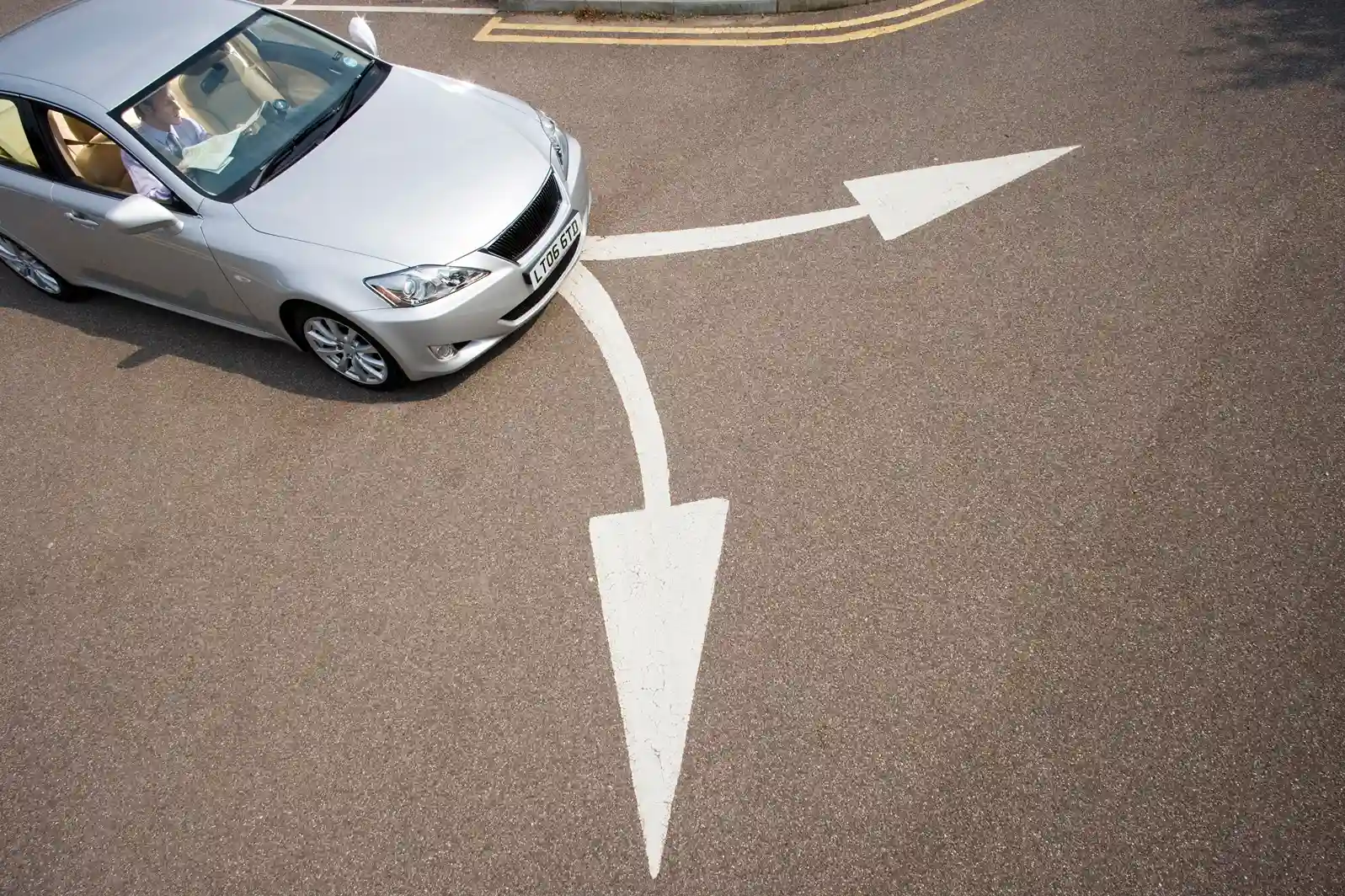
Turning at intersections is one of those things that looks simple until a learner driver actually sits behind the wheel. Many driving test failures in Canada happen right here, at turns, even when everything else feels fine. A driver might do well with straight roads and parking, but turns bring pressure, timing, and traffic altogether. A learner going through driving lessons or a driving school in Canada quickly notices this. G1 and G2 road tests often focus heavily on how safely a driver handles intersections. Even small mistakes can change the result. That is why driving skills around turns are treated seriously in every driving course or defensive driving course.
In this blog, you will learn real techniques for safe left and right turns, the same way instructors usually explain during driving classes.
How to Make a Safe Right Turn in Canada
Right turns look easier, but they still need attention. In busy Canadian cities like Toronto or Vancouver, even a short right turn can get tricky with pedestrians, cyclists, and changing signals.
Step 1: Early positioning in the right lane
The first thing a driver learns in any driving school is lane discipline. Before reaching the intersection, the vehicle should already be in the right-most lane. Not last second, not rushed. A driving instructor often reminds learners that signaling too late is a common mistake during a driving test. In Canada, signaling at least 30 meters before the turn is a simple habit that keeps things clear for everyone around.
Step 2: Surrounding checks and speed control
This is where most new drivers get a bit tense. The car slows down, and suddenly everything feels busy. Mirrors should be checked first, then the right blind spot. Pedestrians are very important here. In many Canadian intersections, even if the driver has a green light, people crossing the street still have priority. Cyclists can also appear suddenly from bike lanes, especially in cities.
Step 3: Yielding and legal checks
Right turns in Canada sometimes allow turning on red, but only when it is safe. This confuses many learners during permit practice test preparation. A simple habit taught in defensive driving courses is to stop fully first. Not rolling, not guessing. Then check left, right, and forward again. If pedestrians are crossing or traffic is heavy, waiting is the better choice. No rush is worth a mistake here.
Step 4: Smooth and correct lane entry
Once the turn starts, the car should enter the nearest right lane. Not drifting across lanes, not cutting corners. A calm steering motion matters more than speed. Instructors in many driving classes say, “Finish the turn clean, not fast.” That simple idea helps learners stay steady during the driving test.
How to Make a Safe Left Turn in Canada
Left turns feel more stressful for most learners. The reason is simple: crossing traffic. There is more waiting, more judgment, and more pressure from cars behind.
Step 1: Correct positioning in the left-turn lane
The car should move into the left-turn lane early, not at the last second. This gives space to adjust and reduces panic. During driving instructor course training, learners are often told that proper positioning alone can decide how smooth the rest of the turn will be. Signal early and stay steady. That already sets the tone for the turn.
Step 2: Observation of oncoming traffic
This step feels slow, but it is the most important part. Oncoming cars must be watched carefully. Not just their distance, but also their speed. A fast-moving car far away can still reach the intersection quickly. Traffic lights also matter here. In Canada, a green light does not always mean “go immediately.” It means “check first, then decide.”
Step 3: Safe gap selection and yielding rules
Left turns are all about patience. A safe gap means enough time to turn without forcing other drivers to slow down or stop. Even during a green signal, they may still be finishing their walk. Even during a green signal, they may still be finishing their walk. Many learners preparing for a driver’s permit test struggle here because pressure builds from cars waiting behind. But rushing often leads to mistakes.
Step 4: Controlled turn execution
Once the gap is clear, the turn should be smooth. Not sharp, not slow to the point of hesitation. The vehicle should enter the correct lane directly. Cutting across lanes is something examiners watch closely during a driving test in Canada. A steady wheel movement is enough, no sudden corrections.
Why Left Turns Are More Difficult Than Right Turns in Canada
Left turns feel harder mainly because they involve crossing traffic. That means more judgment and more waiting. During busy hours in cities like Toronto or Calgary, drivers sometimes misjudge speed and distance. That is why left turns have a slightly higher failure rate in driving tests. Right turns are easier, but they still need care because pedestrians and cyclists can appear suddenly near intersections. So both turns need attention, just in different ways.
How Defensive Driving Improves Turning Safety
Defensive driving is not about being slow. It is about being ready.
Awareness of Canadian traffic conditions
Canadian roads can change quickly. One moment it is clear, and the next moment traffic builds up. Staying aware helps reduce surprises during turns.
Speed control during turns
A slower approach gives more time to think. During driving classes, instructors often notice that learners who slow down earlier make fewer mistakes during turns. It also helps during a driving test because control matters more than speed.
Structured driving training support
Many learners improve their turning skills through driving school practice. Programs like defensive driving courses, traffic school, and driving safety courses help build habits step by step. Even simple permit practice test preparation helps learners understand rules before they even reach the road.
Conclusion
Safe turning is not something that comes all at once. It builds slowly through practice, mistakes, and correction. Left turns need patience. Right turns need awareness. Both need calm thinking. Over time, learners who keep practicing during driving lessons start noticing patterns in traffic. Things feel less random and more predictable. Growing Star Driving School often works with learners who struggle at intersections at first, but with steady practice, turning becomes one of the more natural parts of driving.