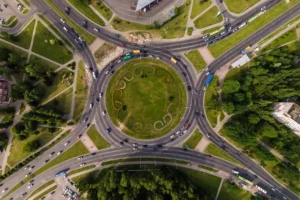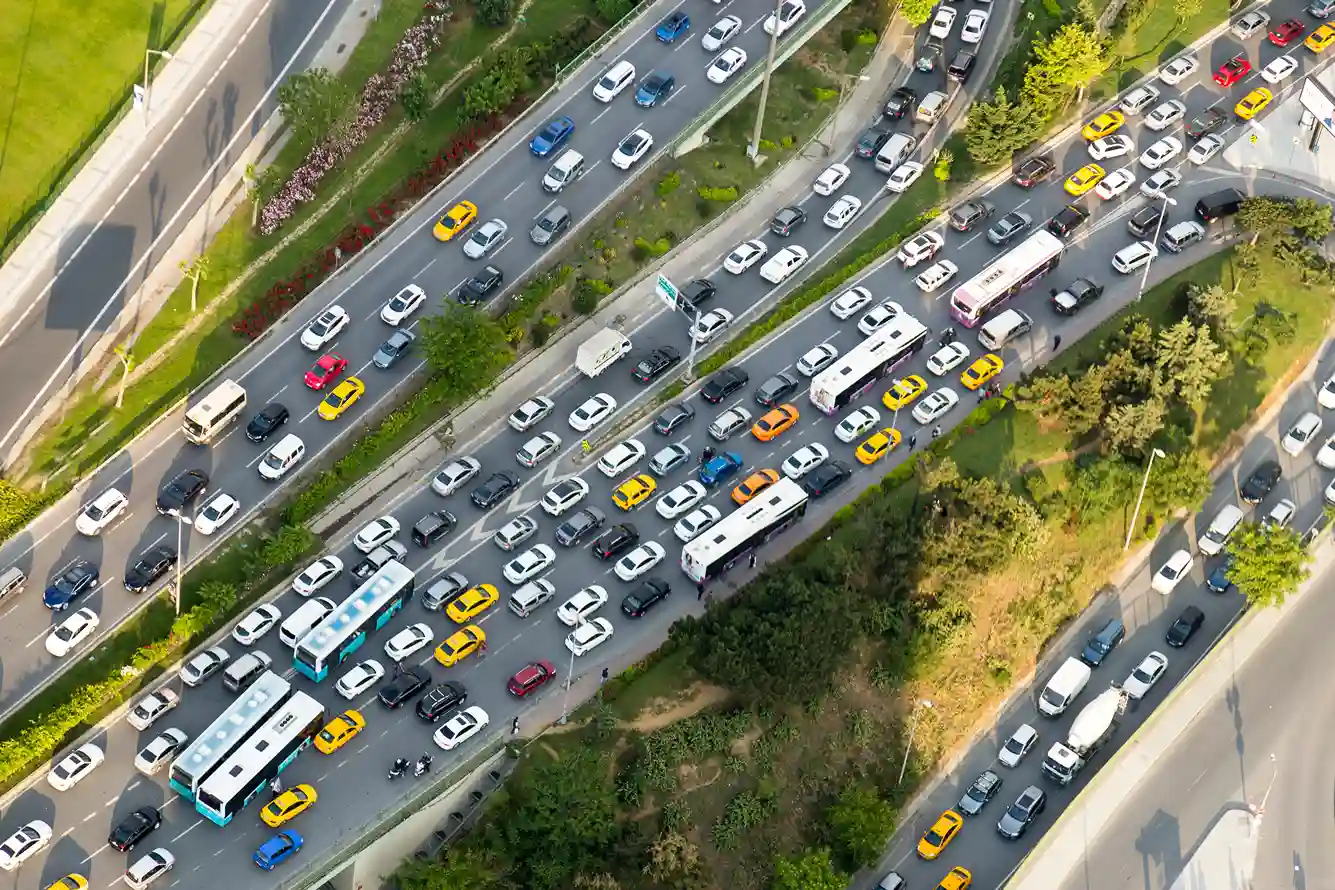
Anyone who drives in Durham Region these days has probably felt it. Roads that once felt easy now feel slow, even for short trips. A quick drive to work or school can take longer than expected. It is not just bad luck. The area is growing fast, and that growth is changing how people drive every day. With more people moving in, the number of cars is also rising. This is where things start to feel crowded. Many learners joining a driving school or taking driving lessons now face busier roads than before. So, understanding traffic is not just helpful anymore. It is becoming part of basic driving skills.
In this blog, you will learn how population growth is shaping traffic and why proper driving course training matters more now.
What Is Causing Traffic Growth in Durham Region?
Durham Region is growing quickly. The population is expected to rise from around 753,000 in 2023 to about 1.3 million by 2051. The population is growing a lot. At the same time, jobs are going up too, almost 460,000. More jobs mean more people moving around every day. A simple example can explain it. A new housing area opens up, families move in, and suddenly there are dozens of extra cars using the same roads each morning. It builds up slowly, but the effect becomes clear over time. Immigration and new housing projects are adding to this steady rise.
How Population Growth Is Increasing Traffic Volume
More people mean more cars. It sounds obvious, but the impact is bigger than it seems. Many households now have more than one car. Parents go to work, kids go to school, and errands happen all day. This increase in daily travel puts pressure on the roads. Even short trips add to the overall traffic. Someone is going to the store, another is heading to work, or dropping kids off. It all adds up. For new drivers preparing for a driver’s permit test or using a permit practice test, this means learning in heavier traffic than before.
Where Traffic Congestion Is Most Visible
Some areas feel the pressure more than others. Highways like Highway 401 are often packed, especially during busy hours. Drivers in Oshawa and nearby areas see this daily. Cars move slowly, and sometimes they barely move at all. It is not just highways either. Local roads and intersections also get crowded. A driver may have to wait at more than one traffic light before they can go. These little delays can be annoying, especially for new drivers who are still learning and gaining confidence.
When Traffic Gets Really Busy
Traffic is worst at certain times of the day. In the morning from 7 to 9, and in the evening from 4 to 6, the roads are very busy. These hours can turn simple drives into long ones. A 15-minute drive during quiet hours can turn into almost 35 minutes during rush hour. That kind of delay is common now. It also makes learning harder for students in driving classes, because they must deal with stop-and-go traffic more often.
Why Traffic Growth Makes Driving More Challenging
Driving in heavy traffic is not easy. It takes more focus and patience. Waiting for a long time while driving can make you feel sleepy, even on short rides. When cars are packed close together, even little mistakes can cause crashes. New drivers usually feel anxious in these moments. It is one thing to drive on an empty road, but quite different when surrounded by moving cars. This is where proper training really helps. Taking a driving safety class or a defensive driving class can help you stay awake and calm when you drive.
How Driving Skills Can Help in Traffic
Good driving is more than just moving the car. It means knowing the road and watching other drivers. This is very important in busy places. Drivers who have good driving skills know how to keep a safe distance from other cars, move to another lane without trouble, and react quickly. These habits make driving less stressful and help handle traffic better. Many learners find that after taking a driving course, they feel more in control, even in crowded conditions.
What Beginners Should Learn to Drive Safely in Congestion
Beginners need more than just basic control. They need real-world practice. That includes handling slow traffic, dealing with sudden stops, and staying patient. Many learners start with a permit practice test and then move on to real lessons. Preparing for a driving test in a busy area actually helps them in the long run. Some also choose a driving instructor course to understand deeper techniques. It builds confidence step by step, which matters a lot in traffic.
How Professional Driving Education Supports Safer Roads
A structured driving school gives learners the chance to practice in real conditions. Instead of guessing, they learn from trained instructors who guide them through busy roads. There are many places to learn driving such as Growing Star Driving School, they design courses to teach you how to drive. Help drivers become safe and aware. When more drivers are trained well, traffic feels a bit more manageable for everyone.
What Can Be Done to Reduce Traffic Pressure
Some things are simple but helpful. Driving a little earlier or later than peak time can save a lot of stress. Even a 20-minute change can make a difference. Better driving habits also help. Smooth driving, less sudden braking, and staying aware can keep traffic flowing better. It may not fix everything, but it does make daily driving easier.
Conclusion
Traffic in Durham Region is not just growing on its own. It is tied closely to how fast the population is increasing. More people, more cars, and more movement every day. For many drivers, this is now part of normal life. Learning how to handle it well is becoming just as important as learning to drive itself. This is where proper guidance matters. Growing Star Driving School helps learners build confidence through structured driving lessons, safety-focused training, and real road experience that prepares them for today’s heavy traffic.
How bad is traffic in Durham Region during busy hours?
Traffic is really slow in the morning from 7 to 9 and in the evening from 4 to 6. A short drive that takes 15 minutes in quiet time can take 30 or 40 minutes when it is busy.
Are there ways to avoid traffic in Durham Region?
Yes. Small streets or side roads can sometimes be faster than the main highways. Using maps or traffic apps before driving can help find better routes.
Is there good public transport to help with traffic?
Durham Region has buses and some transit, but it is not enough for everyone. Many people still need to drive their own car.