Parking can feel easy until you’re in a tight spot with cars honking behind you. A lot of people think they’re good at it, but then something happens, such as scratched bumpers, tickets, or just a stressful five minutes trying to squeeze into a spot. In Canada, parking has its own twists. There are rules about snow, fire hydrants, intersections, and sometimes the laws feel stricter than the traffic itself. The trick is knowing how to park well while following the rules and staying calm. Drivers often think a little practice isn’t needed, but a tiny mistake can cost time, money, or just a lot of frustration. In this blog, you will learn practical tips to avoid common parking mistakes.
Why Parking Mistakes Happen
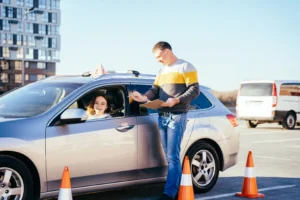
Parking mistakes usually happen because of little things adding up. Under stress and hurry, a good driver can also make mistakes while parking. New learners feel this more when they practice parallel parking for a road test. Sometimes drivers do not judge the distance the right way. This can happen when they practice with parallel parking cones or during a parallel parking test at a driving school. Because of this, the car may get small scratches or end up parked in a crooked way.
Distractions also make the problem worse. Even looking at the phone for a second or talking with a passenger can break the driver’s focus. And without actual practice, like parallel parking practice sessions, it’s easy to mess up, no matter how much you’ve studied or paid for drivers ed cost.
How to Avoid Common Parking Mistakes
You can avoid common parking mistakes by following these:
Plan Ahead Before Parking
Before even thinking about pulling into a spot, look around. Check the signs, the space, and the flow of traffic. Don’t rush. If there’s a busy lot, it’s okay to wait a few seconds to let someone finish. Planning a little before you park can prevent scratches and stress.
Follow Local Bylaws and Safety Distances
Fire Hydrants
Never park within 3 metres of a fire hydrant. It seems obvious, but it’s a mistake people make when a hydrant is partially hidden by snow or bushes.
Intersections
Keep at least 9 metres from intersections. If there’s a traffic light, the distance jumps to 15 metres.
Curbside Proximity
Keep your tires no more than 30 cm from the curb. It keeps traffic moving and prevents cars from bumping your wheels.
Entrances & Driveways
Never block sidewalks or entrances, including public places like hotels or theaters. Stay at least 6 metres away when entrances are open.
Manage Seasonal & Time Restrictions
Snow Routes
In Canada, snow adds another challenge. Streets with “Snow Route” signs mean you can’t park during or after snowfalls.
Overnight Bans
Some areas, like North York in Toronto, ban parking overnight in winter months, usually between 2 a.m. and 6 a.m. It’s easy to forget, especially if you’re parked near friends or family.
Time Limits
Always check the “No Parking” signs and arrows. Some areas allow 3-hour parking, some say “No Overnight.” It’s annoying, but following the rules saves hassle.
Master Technical Maneuvers
Parallel Parking Setup
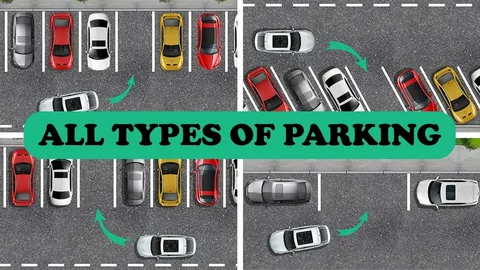
Pick a spot at least one and a half times the length of your car. Align your rear bumper with the car in front. Leave 2–3 feet of side room. Slowly reverse at a 45-degree angle. It sounds simple, but a lot of people overthink it during a parallel parking test.
Hill Parking
Hills are tricky. Going uphill with a curb, turn your wheels left so if the brakes fail, the car rolls into the curb. Downhill or without a curb, turn the wheels right. A small mistake here can cause more than just embarrassment.
Reverse-In Advantage
Whenever possible, back into a stall. It is beneficial when leaving, which helps in busy lots. People often underestimate this, but it’s safer, especially in crowded areas.
General Precision
Use mirrors, pick reference points, and move slowly. Small adjustments are better than jerky corrections. Even parallel parking cones in practice help drivers get a sense of distance.
Avoid Digital & Administrative Errors
App Accuracy
If you’re paying with apps like Green P or HonkMobile, check the zone code carefully. GPS errors can make you pay for the wrong spot, which is frustrating when cameras mark it as unpaid.
License Plate Accuracy
Typing mistakes, like confusing “0” with “O,” happen all the time. ANPR cameras flag unpaid vehicles immediately. It’s a small detail that matters.
Permit Visibility
Physical permits or pay-and-display tickets must be face-up and secure. Flipped-over tickets are often considered invalid.
Practice Calmness and Awareness
Stay Focused
Parking takes attention. Don’t multitask. Even experienced drivers can misjudge spaces if they’re not focused.
Observe Traffic Flow
Look at other cars and people on the road. Also, check for anything that can cause danger. Many people go fast into a parking spot and think the place is empty. But sometimes another car is coming, or someone is walking. This can block the way or almost cause a crash.
Conclusion
Good parking does not mean you have to be perfect. It only means you stay careful and do not hurry. Small things can help a lot. Check the signs, park your car close to the curb, and reverse slowly. These simple steps can stop many parking problems. Even small mistakes can cause trouble, but if you practice, you get better. People who want extra help can go to Growing Star Driving School. They can also teach you how to do parallel parking for the road test. They help you learn better driving skills. After some lessons, many new drivers start to feel safer and more relaxed when driving.
Can my car get towed if it is a little over the parking line, even if it is not blocking traffic?
Yes, it can happen. If your car is not fully inside the parking space, it may still get towed. Even a small parking mistake can be seen by parking officers. It is always safer to park inside the lines.
What are the best tips for parking in tight spots in busy city streets during rush hour?
Go slow and stay calm. Use your mirrors and check all around. Sometimes backing in is easier. Take your time and don’t rush, even if other cars are waiting.